

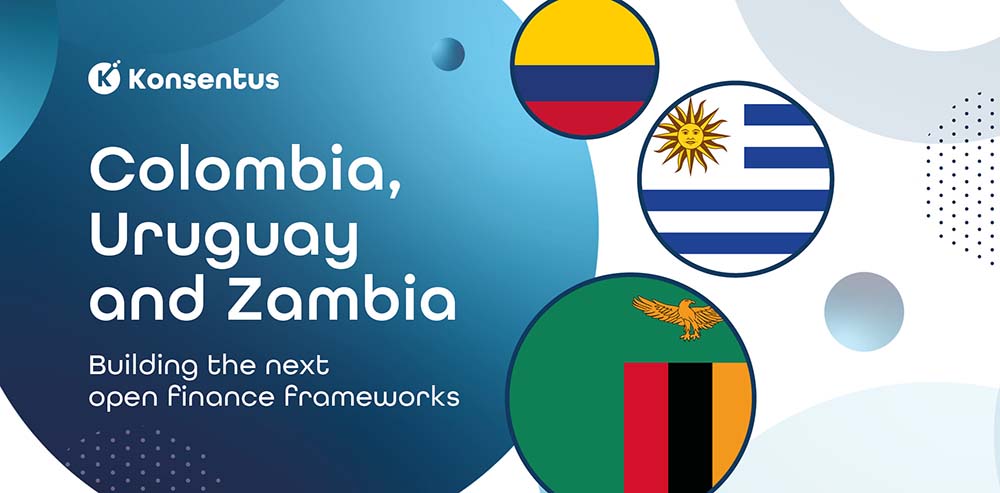
Colombia, Uruguay and Zambia: Building the Next Open Finance Frameworks
Colombia, Uruguay and Zambia show how the next generation of open finance frameworks is moving beyond access rights towards trusted, governed and operationally scalable data-sharing ecosystems.
Cross-Border Open Finance: Beyond the Technology
Cross-border open finance can reduce friction and digitise trade finance. But interoperability depends on aligned regulation, governance, operations and trust infrastructure.
Open Finance Enters its Operational Oversight Era
Open finance is moving beyond policy ambition towards the operational trust, oversight and infrastructure needed to scale safely and inclusively.

Why Trust Infrastructure is Becoming the Critical Layer of the Data-Sharing Economy
As Smart Data and Open Finance expand beyond open banking, APIs alone will not be enough. The future of secure, scalable data sharing will depend on trust infrastructure, governance and real-time ecosystem assurance.
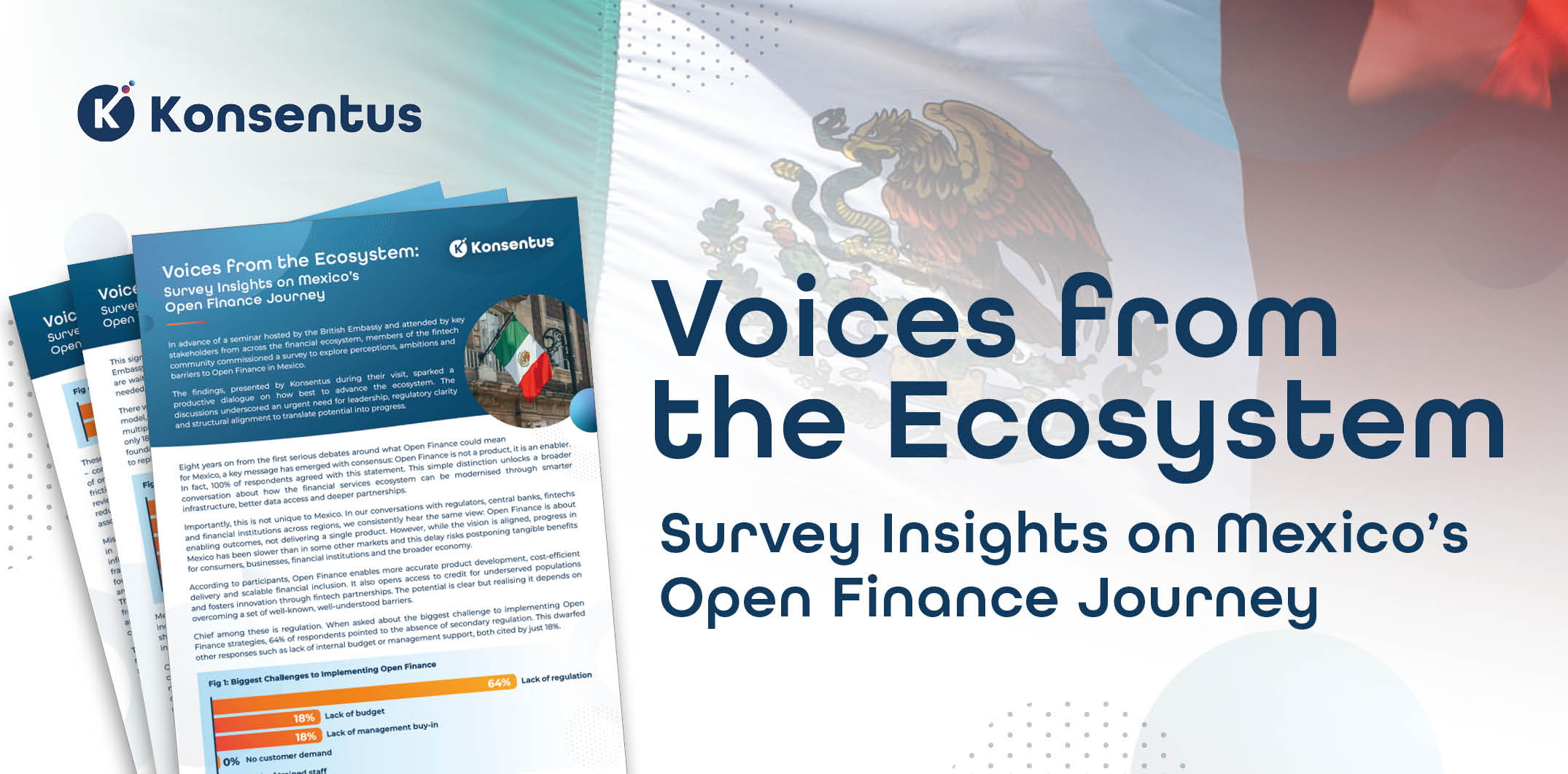
Voices from the Ecosystem: Survey Insights on Mexico’s Open Finance Journey
Survey findings from stakeholders across Mexico’s financial ecosystem highlight that Open Finance progress depends on regulatory clarity, coordination and shared infrastructure.
Mexico’s Open Banking Crossroads: From Legislative Vision to Market Delivery
Eight years after Mexico’s Fintech Law, the opportunity for Open Finance remains clear, the challenge now is execution.
Securing the Future of Open Finance
FiDA expands open banking into full-spectrum open finance, dramatically increasing the scale and sensitivity of financial data sharing. This creates new systemic cyber risks and makes real-time trust and stronger oversight essential.
The Challenge of Authorisation Under FiDA: Identity, Permissions & Cross-Border Access
Under FiDA, data access is no longer just about customer consent; it requires real-time verification of identity, regulatory authorisation and cross-border permissions. Without a unified European source of truth, financial institutions face growing operational and compliance risk.
Impact of a FiDA Delay on EU Consumers and Small Businesses
The delay to the EU’s FiDA regulation is prolonging fragmentation in financial services, limiting data access, innovation and competition. As uncertainty continues, consumers and SMEs remain without the full benefits of open finance.